
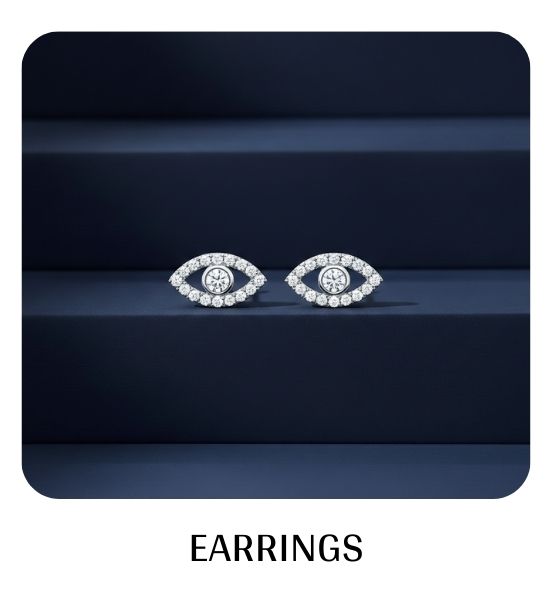
Real Earrings can transform your entire look in seconds. You can wear a simple kurti and add the right pair of real earrings, and suddenly you look put together. Magic? Not really. Just smart jewellery.
But here’s the problem.
The market floods with plated pieces, imitation metals, and unclear claims. Many sellers use the word “real” loosely. Buyers feel confused. Trust becomes rare.
This guide will help you understand what real earrings actually mean, how to identify authentic materials, how hallmarking works, and how to buy confidently. Every fact here comes from recognised institutions and trusted sources. No random data. No marketing fluff.
Let’s get started.
What Do “Real Earrings” Actually Mean?
When we say real earrings, we usually refer to earrings made from genuine precious metals like:
- Gold
- Silver
- Platinum
Real earrings are not fashion jewellery. They do not contain just a thin surface layer of precious metal over base metals. Instead, they use solid precious metal alloys that meet purity standards.
For example:
- Pure gold equals 24 karat.
- Pure silver equals 99.9% silver (fine silver).
- Sterling silver contains 92.5% silver and 7.5% other metals.
The Bureau of Indian Standards (BIS) defines and regulates hallmarking standards for gold and silver jewellery in India. BIS ensures that the metal purity matches what sellers claim. That is not marketing. That is regulation.
Why Hallmarking Matters in Real Earrings
If you want to build trust with customers or buy confidently for yourself, you must understand hallmarking.
Gold Hallmarking in India
The Bureau of Indian Standards made hallmarking mandatory for gold jewellery in phased implementation starting from 2021. Today, most gold jewellery sold in India must carry:
- BIS logo
- Purity grade (like 22K916)
- Assay centre mark
- HUID (Hallmark Unique Identification) number
You can verify the HUID on the BIS Care app. That adds transparency and protects buyers from fraud.
Silver Hallmarking
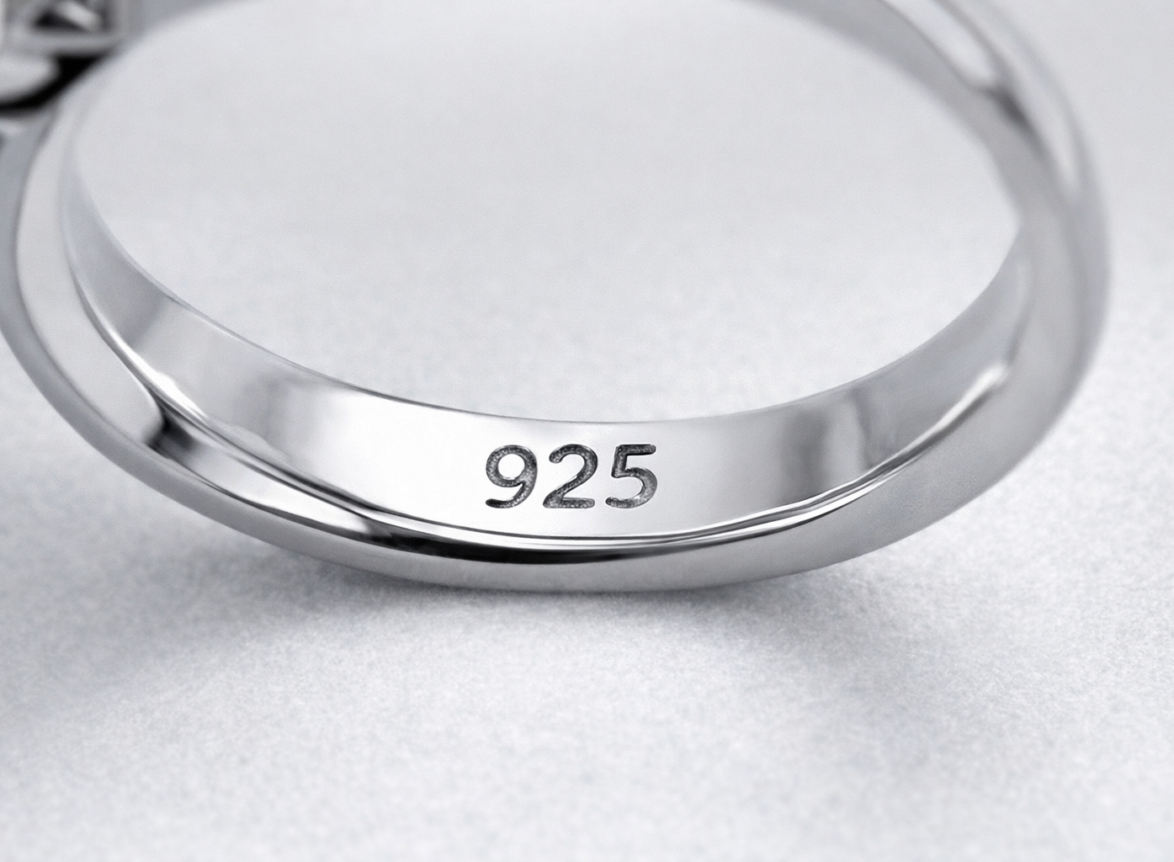
BIS also introduced hallmarking standards for silver jewellery and artefacts. Sterling silver usually carries a 925 stamp, which means 92.5% pure silver.
Always check the stamp. Real earrings carry real marks.
Understanding Gold Earrings: Karats and Purity
Gold does not stay strong in its pure form. Pure 24K gold feels soft. Jewellers mix other metals like copper or silver to increase durability.
Here’s how common karats compare:
- 24K – 99.9% pure gold (very soft, not ideal for daily earrings)
- 22K – 91.6% gold (common in traditional Indian jewellery)
- 18K – 75% gold (stronger, great for stud earrings and fine designs)
- 14K – 58.5% gold (durable, popular in Western-style jewellery)
According to the World Gold Council, gold jewellery alloys improve strength while retaining gold’s intrinsic value. This explains why 18K earrings often balance durability and purity well.
If you wear earrings daily, durability matters. You do not want bent hooks or distorted studs.
Sterling Silver Earrings: Affordable and Authentic
Silver earrings remain popular for daily wear. They cost less than gold yet still qualify as real jewellery when made from sterling silver.
Sterling silver contains 92.5% silver and 7.5% other metals, usually copper. The copper improves strength. That standard aligns with global jewellery norms.
However, silver reacts with sulfur in the air. That reaction causes tarnish. The Gemological Institute of America (GIA) explains that tarnish forms when silver reacts with sulfur compounds.
The solution?
- Store earrings in anti-tarnish pouches
- Keep them dry
- Clean them gently with a silver polishing cloth
Real silver requires care. It does not mean poor quality. It means chemistry works.
Platinum Earrings: Rare and Durable
Platinum stands out for strength and density. Unlike gold, platinum remains naturally white and does not require rhodium plating.
The GIA describes platinum as one of the strongest jewellery metals. It resists wear and holds gemstones securely.
Platinum earrings usually contain 90–95% platinum. They cost more than gold because platinum remains rarer and denser.
If you want long-term durability and minimal maintenance, platinum makes sense.
How to Identify Real Earrings Before Buying
You can avoid disappointment by following these steps:
1. Check the Hallmark
Look for:
- BIS logo (India)
- Purity number (916, 750, 585, 925)
- HUID for gold
No hallmark? Walk away.
2. Ask for a Proper Bill
A genuine jeweller provides a detailed invoice. It should mention:
- Metal purity
- Net weight
- Making charges
- GST
Transparency builds trust.
3. Verify the Seller
Reputed jewellers follow BIS guidelines. You can check registered jewellers on the BIS website.
4. Avoid Unrealistic Discounts
If someone offers 22K gold earrings at shockingly low prices, logic should kick in. Precious metals follow global market pricing. The World Gold Council publishes gold price data. Sellers cannot ignore global markets.
If the deal looks too good, it probably is.
Real Earrings vs. Imitation Earrings
Let’s clear this quickly.
| Feature | Real Earrings | Imitation Earrings |
| Metal | Gold, silver, platinum | Base metals |
| Hallmark | Yes | Usually no |
| Resale value | Yes | No |
| Skin reactions | Rare (unless allergy) | Common with low-quality metals |
| Long-term durability | High | Low |
Real earrings carry intrinsic value. Imitation pieces carry style but no long-term worth.
You can enjoy both. Just know what you buy.
Safe Skin y and Allergies
Many people experience irritation from nickel. The American Academy of Dermatology confirms that nickel ranks as one of the most common contact allergens.
Real gold (higher karat), sterling silver, and platinum usually reduce allergy risks compared to cheap alloys.
If you have sensitive skin:
- Choose 18K or higher gold
- Choose platinum
- Confirm nickel-free alloys
Comfort matters as much as beauty.
Investment Value of Real Earrings
Gold and silver prices fluctuate based on global demand, inflation, and currency factors. The World Gold Council publishes market reports that explain how gold often acts as a hedge during economic uncertainty.
Now, let’s stay realistic.
Jewellery includes making charges. That means resale value may not equal purchase price immediately. However, real earrings retain metal value. Imitation jewellery does not.
So yes, real earrings combine beauty and tangible asset value.
That makes them emotional and financial purchases at the same time.
Caring for Real Earrings
You do not need complicated routines. Just follow basic logic.
For Gold Earrings:
- Clean with mild soap and warm water
- Dry with soft cloth
- Store separately to prevent scratches
For Silver Earrings:
- Keep away from moisture
- Use anti-tarnish cloth
- Store in airtight pouches
For Platinum Earrings:
- Clean with mild soap
- Professional polishing once in a while
Proper care extends shine and lifespan.
Styling Real Earrings for Everyday Wear
Now let’s add some personality.
You do not need heavy chandbalis daily. Minimal studs work perfectly for office wear. Small hoops pair well with casual outfits. Statement earrings elevate festive looks.
Real earrings adapt to every mood.
- Office meeting? Choose 18K gold studs.
- Brunch with friends? Try sterling silver hoops.
- Wedding function? Go for 22K traditional designs.
Jewellery should serve your lifestyle, not sit inside lockers forever.
Final Thoughts: Buy Smart, Wear Confidently
Real earrings offer more than shine.
They offer:
- Verified purity
- Hallmark protection
- Long-term value
- Skin safety
- Durability
Always check BIS hallmarking standards. Verify purity. Buy from trusted jewellers. Use logic before emotion.
When you choose real earrings, you choose authenticity over shortcuts.
And honestly, that always looks better.
SOURCE
https://www.bis.gov.in
https://www.gia.edu
https://www.aad.org/public/diseases/eczema/insider/nickel-allergy

Leave a comment
Your email address will not be published. Required fields are marked *