

Understanding this science behind tarnish is the first, empowering step to preventing it and keeping your cherished pieces brilliantly shiny. You’ve just pulled your favorite sterling silver chain from the drawer, only to find it dull, discolored, or even blackened. It’s frustrating, but here’s the truth: that silver tarnish is not dirt, and it is not a sign of poor quality. It is simple, natural chemistry a conversation between your jewelry and the world. Let’s demystify the process, from cause to solution.
The “Why” The Chemical Reaction Explained
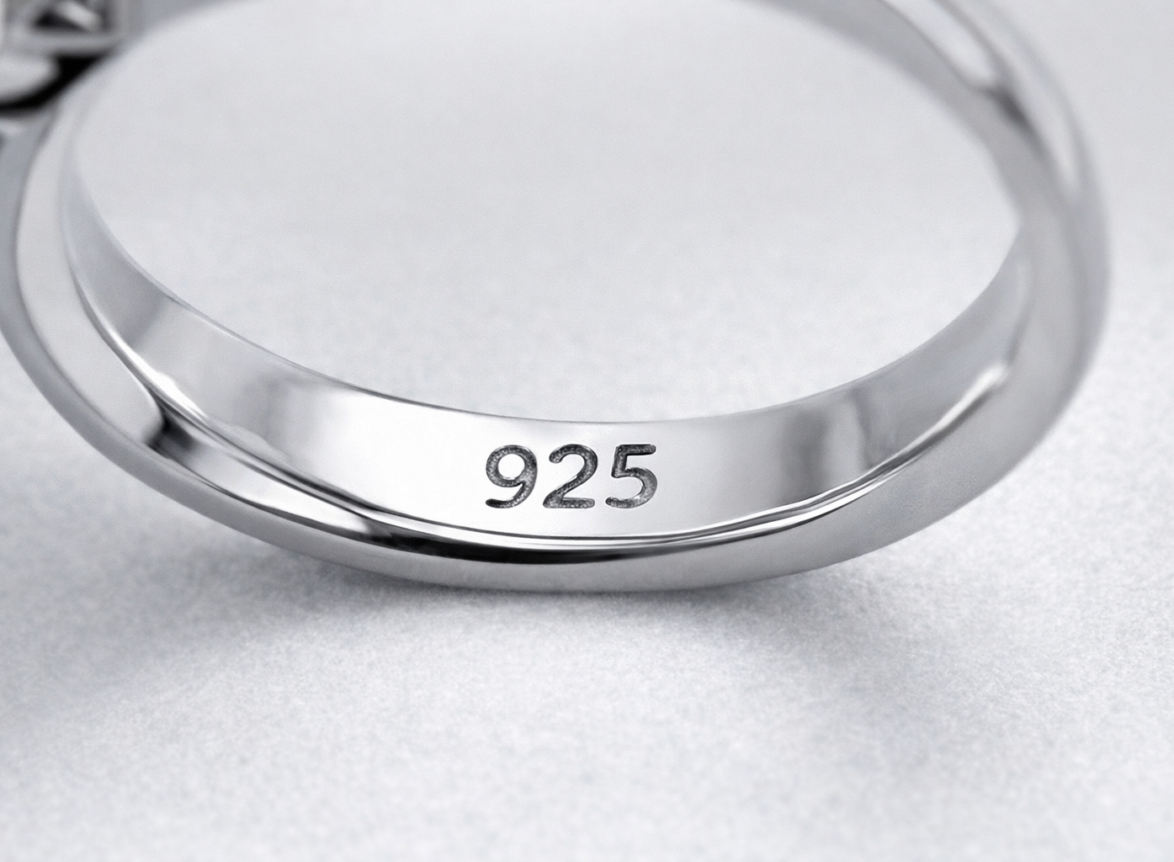
Pure silver is a relatively stable element. However, the sterling silver we wear and love is an alloy, made of 92.5% pure silver and 7.5% other metals (usually copper) for strength. This copper content is key to the tarnishing process.
Tarnish is a layer of silver sulfide that forms on the metal’s surface. Here’s how it happens, step-by-step:
The Catalyst: Sulfur in the Air. Our environment contains trace amounts of hydrogen sulfide gas. Sources include air pollution, certain foods (eggs, onions), wool, rubber bands, and even some paints and fabrics.
The Trigger: Exposure. When your silver jewelry is exposed to this sulfur-containing air, a chemical reaction begins.
The Reaction: The sulfur molecules react with the silver (and more readily with the copper in the alloy) to form a new compound: silver sulfide.
The Result: The Tarnish Layer. This silver sulfide is dark in color, starting as a yellowish hue and progressing to brown and eventually black. It is a thin, stable layer that coats the surface of your jewelry.
Crucial Note: This is a surface reaction only. It does not damage the integrity of the metal beneath. The brilliant silver is still there, waiting to be revealed.
The “How to Stop It” Proactive Prevention Strategies
Since tarnish requires sulfur and exposure, the goal is to limit one or both. Prevention is far easier than cure.
Strategy 1: Control the Environment (Storage is EVERYTHING)
This is your most effective tool.
Airtight is Right: Always store sterling silver jewelry in airtight containers. Zip-top plastic bags, with the air pressed out, are highly effective.
Use Anti-Tarnish Agents: Place anti-tarnish strips or even a small piece of chalk inside your storage bag or box. These materials absorb sulfur gases from the trapped air.
Keep it Dry & Cool: Store jewelry away from humid areas like bathrooms. A cool, dark, dry drawer or closet is ideal.
Minimize Exposure During Wear
The “Last On, First Off” Rule: Apply perfumes, hairsprays, lotions, and cosmetics before putting on your silver. These products often contain sulfur compounds and chemicals that accelerate tarnishing.
Know When to Take it Off: Remove silver before swimming (chlorine is very damaging), exercising (sweat contains salts and acids), cleaning (harsh chemicals), or using hot tubs.
Strategy 3: Create a Physical Barrier
Specialized Coatings: Some high-quality jewelry receives a clear, microscopic lacquer coating (like a rhodium plating on white gold) to prevent air contact. Note: this can wear off over time.
Frequent, Gentle Polishing: Regular, light polishing with a sunshine polishing cloth (impregnated with anti-tarnish chemicals) not only cleans but can leave a protective layer.
The “Fix It” Safe & Effective Cleaning Methods
When tarnish appears, here’s how to safely reverse the chemical reaction.
Method A: The Polishing Cloth (For Light Tarnish)
The Science: Mechanical abrasion. The fine fibers and polishing agents in a dedicated silver cloth gently rub away the thin layer of silver sulfide.
How-To: Rub the jewelry gently with the cloth until the shine returns. Use a different, clean section of the cloth for final buffing.
Method B: The Electrochemical Bath (For Heavy Tarnish)
The Science: This method reverses the chemical reaction. You create a galvanic cell.
How-To (The Aluminum Foil & Baking Soda Method):
Line a bowl with aluminum foil, shiny side up.
Place tarnished jewelry on the foil.
Sprinkle with baking soda (sodium bicarbonate).
Pour very hot water over everything to cover.
What Happens: The aluminum has a stronger desire to react with the sulfur than the silver does. The sulfur ions transfer from the silver sulfide (on your jewelry) to the aluminum foil. You will see bubbling and smell a faint “rotten egg” odor (the sulfur being released). The tarnish disappears without scrubbing.
Rinse jewelry thoroughly and dry completely.
Warning: Do NOT use this method on jewelry with porous gemstones (like opals, pearls, turquoise) or glued-in stones, as the solution and sudden temperature change can cause damage.
A Final, Philosophical Note: The Patina Choice
For some, a gentle, even antique patina is desirable. It adds character and a sense of history. The choice between a mirror shine and a soft glow is entirely personal.
Understanding the science of silver tarnish transforms it from a mysterious nuisance into a manageable process. With smart storage and simple care, you can spend less time cleaning and more time enjoying the luminous beauty of your sterling silver jewelry, keeping its science-defying shine for a lifetime.



Leave a comment
Your email address will not be published. Required fields are marked *