

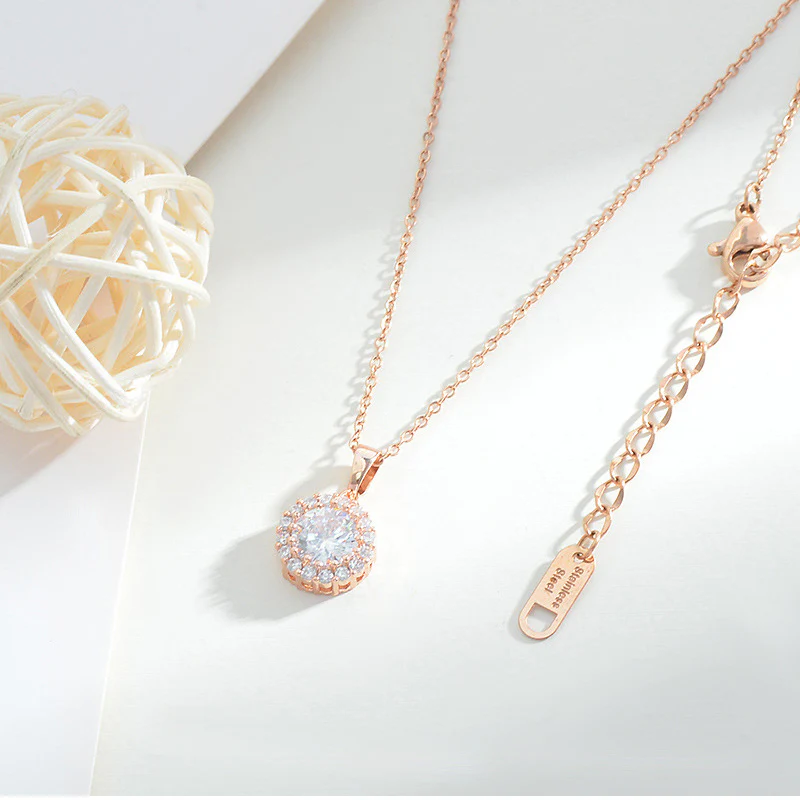
That warm, golden glow of a brass jewelry or the bold statement of brass earrings we often wear it for its beauty. But beneath its shine lies a deeper story. Brass jewelry is far more than a fashion accessory; it is a global language of identity, spirituality, and artistry. From the intricate bazaars of India to the tribal lands of Africa, brass has been molded, hammered, and cherished for centuries, carrying the weight of tradition on its sturdy, golden shoulders. This journey explores why this humble alloy is treasured across continents and what it truly means to wear a piece of this living history.
India: Adornment as Identity and Amulet
In India, brass jewelry is inseparable from culture. It is worn by both women and men, not merely for ornamentation, but as a marker of status, community, and protection.
- Tribal Legacy: For communities like the Rabari of Gujarat and Rajasthan, heavy brass jewelry is a woman’s “streedhan” (personal wealth) and a display of social standing. Elaborate necklaces, wide brass cuffs, and nose rings signify marital status, clan identity, and prosperity. The weight and craftsmanship are directly tied to value and honor.
- Temple Traditions: Temple jewelry, originally crafted to adorn deities, is made in gold or brass. Wearing it is considered an act of devotion, bringing the wearer divine blessings. The intricate motifs of gods, goddesses, and sacred symbols are a wearable form of faith.
- The Protective Talisman: Brass is believed to have purifying properties in Ayurveda. Bangles and anklets are worn for health, while amulets and lockets in brass are used to ward off the “evil eye” (nazar). It is jewelry as armor for the soul.
Maharashtra: A Canvas of Status and Spirit
Across India, brass is a metal of kings, warriors, and storytellers.
- Royal Regalia: The Benin Kingdom of Nigeria is world-renowned for its breathtaking brass plaques and sculptures. Brass was reserved for the Oba (king) and the nobility, used to create intricate pendants, crowns, and ceremonial objects that documented history and asserted divine authority.
- Tribal Currency and Adornment: Among the Maasai of East Africa, brass coil earrings and necklaces are central to beauty rituals and social status. In West Africa, brass manilla bracelets were historically used as currency and later became powerful symbols worn for their aesthetic and historic weight.
- Symbolic Communication: Patterns etched onto brass jewelry often tell stories, represent proverbs, or symbolize virtues like fertility, strength, and continuity. Each piece is a narrative.
The Middle East & Asia: Artistry and Amulet
- Islamic Artistry: Throughout the Middle East, brass has been the medium for exquisite engraved jewelry and filigree work. Quranic verses and geometric patterns are meticulously carved into cuffs and pendants, transforming jewelry into sacred art and a reminder of faith.
- Southeast Asian Spiritualism: In Bali and Tibet, ritual brass jewelry is used in ceremonies. Tibetan singing bowls and Bali spirit bells made of brass are believed to cleanse spaces and minds. Worn as jewelry, these pieces are thought to carry protective vibrations.
Europe: From Ancient Amulet to Folk Charm
- Celtic and Norse Traditions: Ancient Celts crafted torcs (rigid neck rings) from brass and gold as symbols of high rank and divine protection. Vikings used brass brooches and arm rings to signify wealth and achievements.
- Eastern European Folk Magic: In regions like Romania, brass jewelry with specific symbols was traditionally worn to protect against illness and misfortune, a practice rooted in pre-Christian folk beliefs.
The Modern Global Citizen: Wearing the World’s Story
Today, when you choose a piece of handmade brass jewelry, you are participating in this ancient, global conversation. You might wear a:
- Contemporary cuff inspired by African geometry.
- Modern pendant featuring a motif from Indian temple architecture.
- Stack of bangles that echoes the tribal traditions of Rajasthan.
You are no longer just accessorizing. You are carrying a fragment of a culture’s soul its art, its beliefs, its history. In an era of mass production, authentic brass jewelry represents a connection to human hands and ancestral wisdom.
A Final Thought: Jewelry with a Conscience
Understanding this cultural significance transforms how we buy and wear brass. It encourages us to seek out ethically sourced pieces from artisan communities, ensuring the traditions and the people who keep them alive are respected and sustained.
So, the next time you fasten that warm brass bracelet, remember: you are wearing a metal that has crowned kings, protected brides, warded off spirits, and told ancient stories. Your wrist isn’t just adorned it’s inscribed with a piece of the world’s enduring human spirit.

Leave a comment
Your email address will not be published. Required fields are marked *