

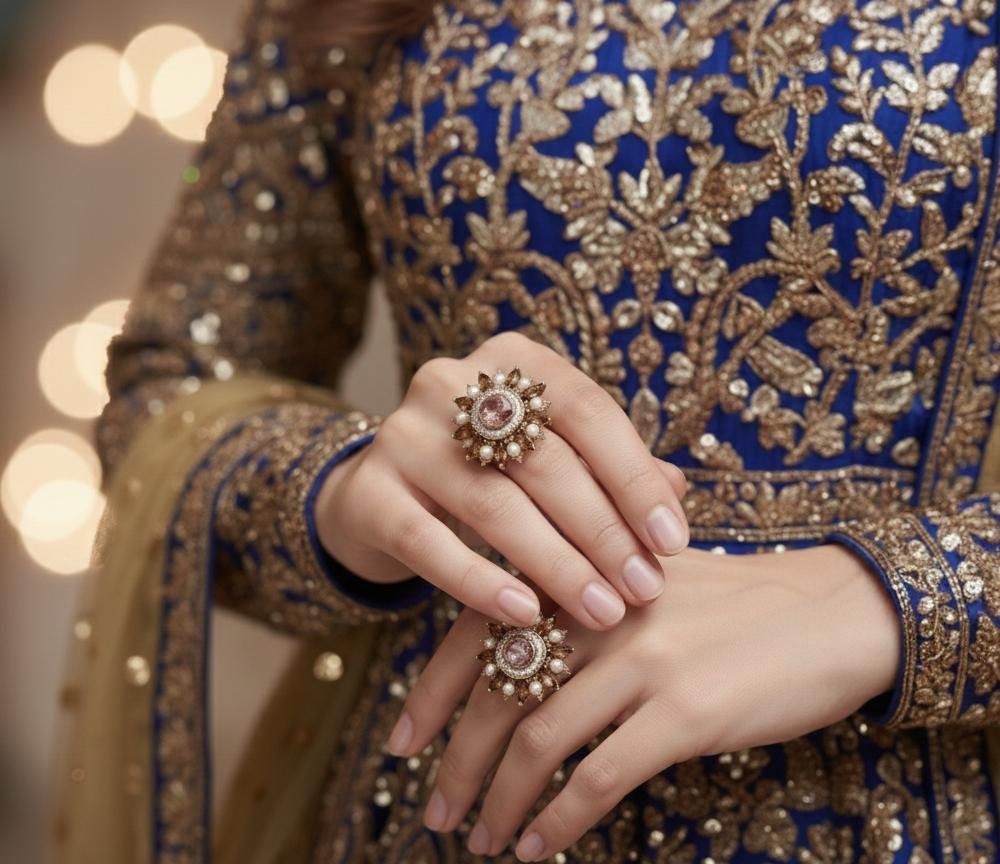
For the modern style enthusiast, slipping on a piece of sterling silver jewelry feels like a contemporary choice. Yet, that cool, luminous metal on your skin carries a history as rich and layered as the most intricate filigree silver necklace. From being the currency of empires to becoming the canvas for today’s boldest designers, silver’s journey is nothing short of epic. Understanding this transformation from ancient treasure to modern wardrobe essential adds profound depth to every piece you wear. This is the definitive history of silver in jewelry, tailored for the young Indian consumer who values both heritage and cutting-edge style.
The Ancient World: Silver as Divine Currency and Protective Talisman
Long before it was a fashion statement, silver was sacred power and practical wealth.
- The First Gleam (3000+ BCE): The story begins in ancient Anatolia (modern Turkey), where silver was first smelted from lead ores. Its rarity and moon-like brilliance made it a metal for deities and royalty across early Mesopotamian and Egyptian cultures.
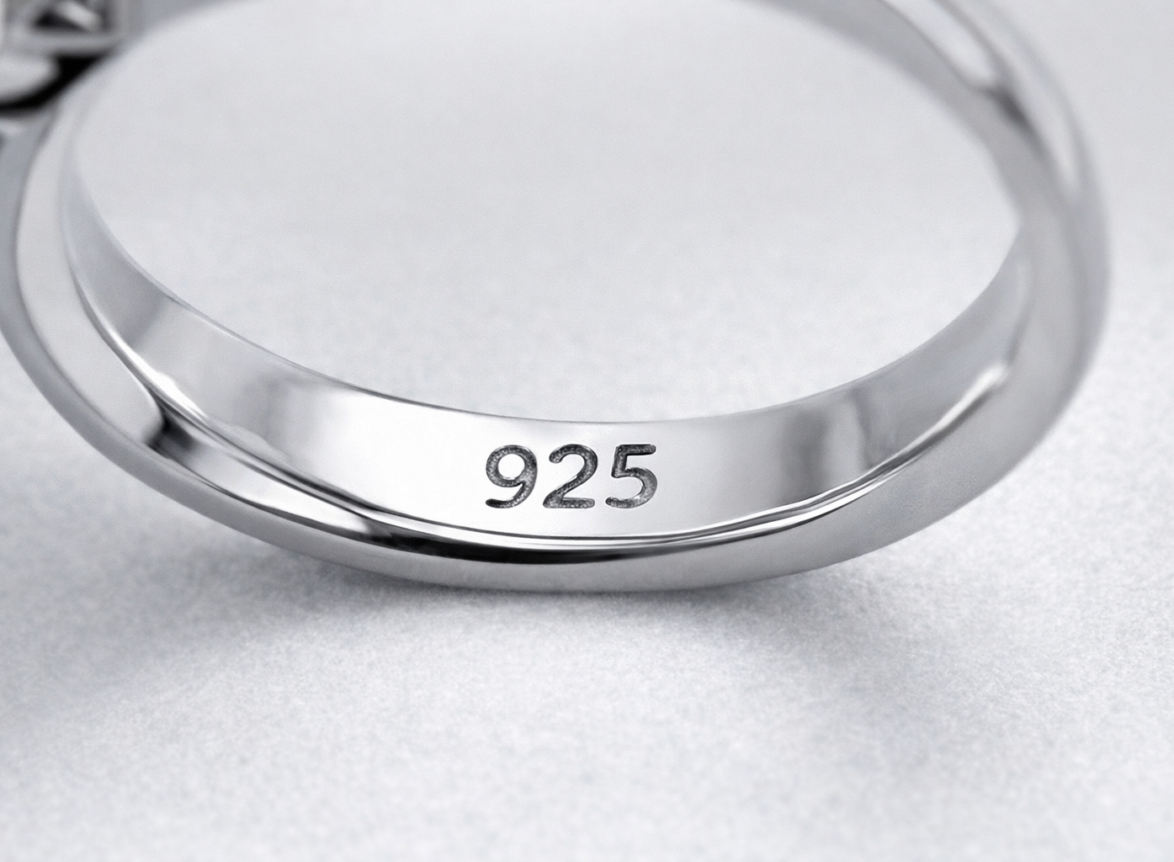
- The Coin of the Realm: Silver’s perfect balance of malleability and durability made it the ideal material for coinage. The Greek drachma and Roman denarius weren’t just money; they were portable, trusted value. This intrinsic worth is why investing in genuine. 925 silver jewelry today is still considered an intelligent purchase it carries the legacy of being literal currency.
- Adornment with Purpose: Ancient peoples wore silver for protection and status. Egyptians crafted silver amulets for the afterlife. In the Indian subcontinent, references to silver (Rajata) appear in ancient texts like the Vedas, used in ceremonial objects and early adornments for its purifying, cool properties.
The Medieval to Colonial Era: Craftsmanship, Identity, and Global Trade
This period saw silver become a marker of identity and a focal point in global exchange.
- The Signet and the Symbol: In Medieval Europe, sterling silver signet rings engraved with family crests were used to seal documents. This marked a shift toward personalized silver pieces that declared lineage and authority a precursor to today’s initial necklaces and custom engravings.
- Peak of the Artisan: The Renaissance and subsequent eras saw techniques like repoussé (hammered relief), chasing, and intricate filigree reach breathtaking heights. Silver was no longer just bullion; it was the silversmith’s canvas.
- India’s Golden Age of Silver: This era is crucial for our audience. India developed some of the world’s most spectacular traditional silver jewelry traditions. From the formidable, weighty tribal silver cuffs of the Rabari community (worn as a bride’s financial security) to the lavish Mughal-era silver jewelry adorned with meenakari enamel, silver was deeply embedded in culture, ritual, and artisanal excellence.
- The Global Flow: The vast silver from Spanish mines in the Americas flowed into Europe and then to India and China, fueling trade for spices and textiles. This “Silver Triangle” made silver a truly global metal, embedding it in economies and ornamental traditions worldwide.
The Industrial to Modern Age: Democratization and Artistic Revolution
The 20th century transformed silver from a luxury of the few to a medium for the many.
- Standardization & Accessibility: The formalization of the. 925 sterling silver standard guaranteed quality and durability. Combined with industrial production, it made fine silver jewelry accessible to the burgeoning middle class. It became a versatile jewelry staple, not just a locked-away heirloom.
- Art Movements as Catalysts: Art Nouveau used silver in flowing, natural forms. Art Deco used it for sharp, geometric statement silver pieces. These movements treated jewelry as art, a concept that would explode later.
- The Studio Jewelry Movement (Mid-20th Century): This was the pivotal turn. Artists and designers like India’s own studio jewelers began creating one-of-a-kind pieces, treating silver as “wearable sculpture.” Silver was now the chosen medium for individual expression, breaking completely from rigid traditional forms.
Silver in the 21st Century: The Canvas of Personal Narrative
Today, we inherit this entire history. Your sterling silver jewelry is a fusion of all these eras.
- The Heritage Revival: Contemporary designers constantly re-interpret antique silver jewelry motifs. You can find modern jhumka designs that reference Mughal archives or cuffs inspired by tribal patterns, making heritage wearable for today.
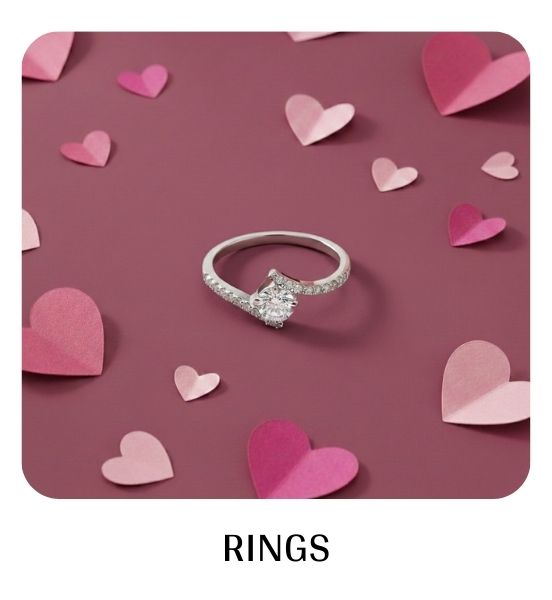
- The Ultimate Personal Medium: For Gen Z and millennials, silver is the perfect metal for self-expression. It can be molded into a minimalist silver band symbolizing a personal milestone, a bold, abstract ring as artistic expression, or a layered chain set for everyday style. It holds both sentimental value and artistic merit.
- Ethical and Sustainable Choice: In the conscious consumption era, silver’s recyclability and the rise of ethically sourced materials make it a key player in sustainable fashion. Choosing a well-made silver piece supports craftsmanship and a lighter planetary footprint.
Your Jewelry, Your Place in History
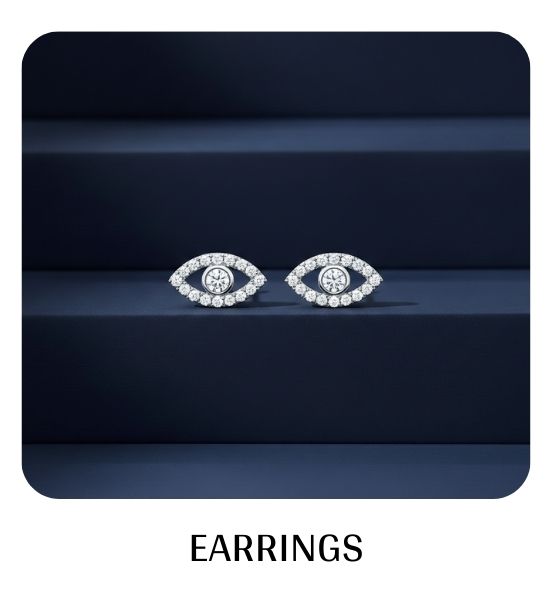
When you select a piece of sterling silver jewelry, you’re not just picking an accessory. You are choosing a material that funded empires, adorned emperors and tribal brides, inspired Renaissance masters, and fueled a modern artistic rebellion. That sleek silver chain is a direct descendant of ancient coinage. Those textured silver earrings carry the spirit of the studio jewelry movement.
For the young Indian, this is especially powerful. You can wear a piece that honors the impeccable silver craftsmanship of Indian artisans while styling it in a fiercely modern, global way. You are the latest chapter in this 5,000 year story, wearing history not as a costume, but as a living, evolving part of your identity.

Leave a comment
Your email address will not be published. Required fields are marked *